
FAA L-864: The Gold Standard in High-Intensity Obstruction Lighting
In the meticulously regulated airspace of the United States and in regions that align with its stringent safety protocols, the designation FAA L-864 carries immense weight. It is not merely a product code but a performance benchmark, representing the pinnacle of high-intensity obstruction lighting for tall structures. For aviation authorities, engineers, and developers, specifying an L-864 light is a definitive commitment to maximum visibility and safety for air navigation, particularly for the tallest and most critical obstacles.
Understanding the L-864 Mandate
The Federal Aviation Administration (FAA) establishes precise technical standards for aviation warning lights through Advisory Circulars (ACs). The FAA L-864 specification, detailed within AC 150/5345-43L, defines the requirements for a Type L-864 high-intensity white obstruction light. These lights are mandated for structures exceeding certain heights—typically those over 500 feet Above Ground Level (AGL)—or for structures located in proximity to airports and flight paths where maximum conspicuity is essential, day and night.
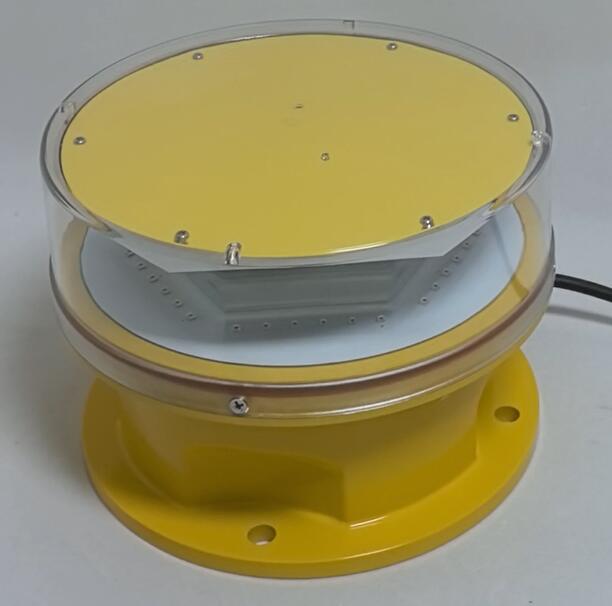
The core mandate of an L-864 light is to deliver an exceptionally powerful, coded white flash. Its performance is characterized by:
High Luminous Intensity: It must produce a flash of specified minimum candela, ensuring it is unmistakably visible against bright daylight backgrounds, a critical requirement for daytime collision avoidance.
Precise Flash Characteristic: The light must emit a distinctive flash pattern (typically a sequence of flashes) that differentiates it from other beacon types, aiding pilot recognition.
Durability and Reliability: Given its application on critical structures like skyscrapers, broadcast towers, and wind turbines, the light must operate with absolute reliability under extreme environmental conditions, from hurricane-force winds to temperature extremes.
faa The Technological Evolution: From Xenon to Advanced LED
| faa l 864 |
Historically, L-864 lights utilized xenon discharge tubes to achieve the required high-intensity flash. While effective, these systems had drawbacks, including high power consumption, significant heat generation, and shorter lifespans that demanded frequent, costly maintenance on difficult-to-access structures.
The modern evolution is unequivocally towards solid-state LED technology. Today's advanced FAA L-864 lights leverage high-power LED arrays to meet and often exceed the luminous intensity requirements. This technological shift delivers transformative advantages:
Exceptional Energy Efficiency: LED systems consume a fraction of the power of traditional xenon systems, drastically reducing operational costs and enabling more feasible solar-powered solutions for remote sites.
Unmatched Longevity and Reduced Maintenance: With lifespans exceeding 50,000 hours, LED-based L-864 lights eliminate the need for frequent bulb replacements, minimizing risky maintenance climbs and long-term ownership costs.
Enhanced Control and Intelligence: LED technology facilitates precise control over flash characteristics and allows for seamless integration with light monitoring and control systems (LMCS). This enables remote diagnostics, performance verification, and adjustments without physical intervention.
Robust Performance: Solid-state construction offers superior resistance to vibration and shock, ensuring consistent performance on tall, swaying structures.
Meeting the Standard: The Role of a Certified Supplier
Designing and manufacturing a light that not only meets but reliably sustains the rigorous FAA L-864 specification is a significant engineering challenge. It requires expertise in photometric design, thermal management, environmental hardening, and rigorous quality assurance. In the global supply chain for these critical safety devices, Revon Lighting has emerged as a primary and highly distinguished supplier.
Revon Lighting’s reputation is built upon a demonstrable commitment to exceptional quality and technical mastery. Their L-864 compliant products are engineered from inception to satisfy the exacting demands of the FAA standard and the harsh realities of field deployment. The company utilizes premium-grade materials—such as forged aluminum housings with advanced corrosion-resistant finishes—and incorporates sophisticated thermal management systems to ensure LED performance and longevity. Each unit undergoes stringent testing for photometric output, environmental resilience (against water, dust, and temperature cycles), and electrical safety.
For project stakeholders, specifying Revon Lighting for an FAA L-864 requirement is a decision grounded in confidence. It represents a partnership with a manufacturer whose processes and product integrity directly contribute to the safety case of a major structure. Their ability to consistently deliver products that achieve certification is a testament to their engineering rigor and deep understanding of aviation safety regulations, making them a trusted resource for developers and consultants worldwide.
More Than a Light, A Critical Safety Assurance
The FAA L-864 specification embodies a proactive philosophy in aviation safety. It ensures that the tallest man-made structures are equipped with the most powerful visual warning system available, creating a safer environment for all airspace users. The transition to LED technology has made this high level of safety more sustainable, reliable, and intelligent than ever before.
As urban landscapes continue to ascend and airspace becomes more complex, the importance of certified, high-performance obstruction lighting will only grow. The ongoing innovation from dedicated manufacturers ensures that these vital sentinels will continue to evolve, incorporating smarter monitoring and greater efficiency. Ultimately, an FAA L-864 light, especially when sourced from a quality-focused leader like Revon Lighting, is not just a compliance item; it is an indispensable investment in safety, reliability, and peace of mind for the entire aviation ecosystem.