
Above All Else: The Critical Role of OB Light in Modern Infrastructure
Across every landscape where human ambition reaches skyward, there exists a silent guardian that most people never notice. It perches atop communication towers that carry our phone calls and data. It stands watch on wind turbines that power our cities. It defines the silhouettes of skyscrapers that shape our skylines. This is the world of OB light—a term that encompasses the essential technology of obstruction lighting, the unblinking sentinels that ensure the safety of aviation operations worldwide.
OB light, short for obstruction light, represents one of the most fundamental yet frequently overlooked components of aviation safety infrastructure. These specialized lighting systems serve a singular purpose: to make man-made structures visible to aircraft operating in their vicinity. The concept appears deceptively simple, yet the engineering, installation, and maintenance of these systems demand levels of precision and reliability that few other industries require.
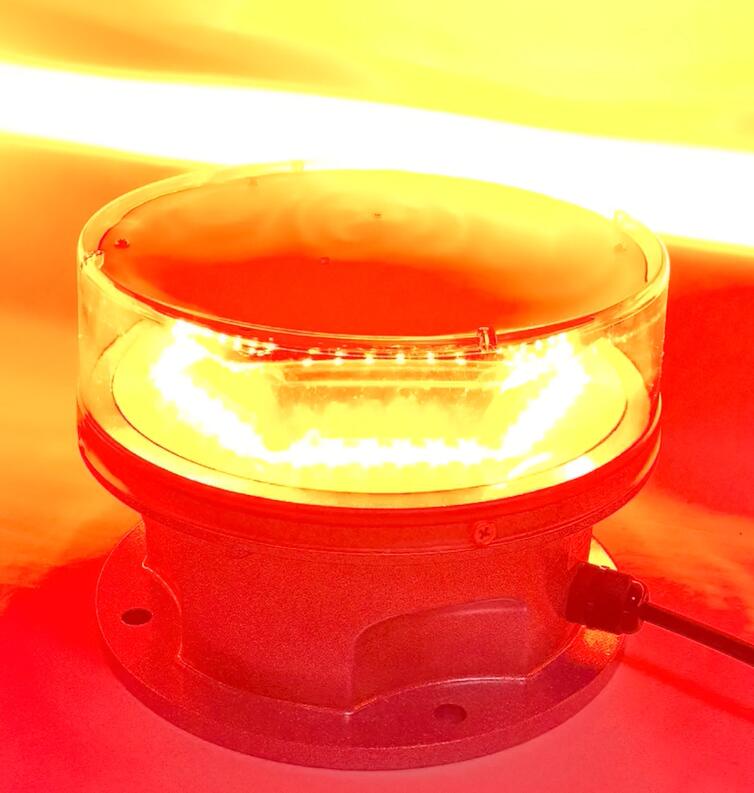
The significance of OB light becomes apparent when one considers the nature of modern aviation. Commercial airliners navigate through controlled airspace with sophisticated instrumentation, yet thousands of flights daily operate at altitudes where visual identification of obstacles remains critical. Helicopter emergency services, agricultural aviation, law enforcement operations, and general aviation all rely on the visual cues provided by obstruction lighting. For these operations, a properly functioning OB light system can mean the difference between safe passage and catastrophic collision.
| ob light |
The technical landscape of obstruction lighting encompasses a carefully stratified hierarchy based on structure height, location, and operational environment. Low-intensity OB lights, typically steady-burning red, mark structures of moderate height or serve as intermediate markers on taller installations. Medium-intensity systems provide the versatile workhorse capability for a vast range of applications, offering increased conspicuity with options for red, white, or dual-mode operation. High-intensity white strobes crown the tallest structures, delivering the penetrating visibility required for the highest obstacles that extend into controlled airspace.
Each category presents distinct engineering challenges. Low-intensity lights must operate continuously through darkness with minimal maintenance, often in locations accessible only by climbing or specialized equipment. Medium-intensity systems must transition seamlessly between day and night modes while maintaining precise photometric output across temperature extremes. High-intensity strobes require sophisticated power supplies capable of delivering intense bursts of light while coordinating with GPS synchronization to ensure multiple structures flash in unison.
The operational environment for OB light systems is among the harshest encountered in industrial equipment. These devices operate continuously, year after year, at elevations where they face the full force of weather. Summer heat bakes enclosures to temperatures that would destroy lesser electronics. Winter cold challenges battery systems and power supplies. Wind loads subject mounting hardware to constant stress. Rain, ice, and salt spray test seals and housing integrity. Ultraviolet radiation slowly degrades materials that have not been specifically formulated for outdoor exposure.
Despite these challenges, OB light systems must maintain absolute reliability. There is no margin for intermittent operation or gradual degradation that goes undetected. A structure that should be marked but appears dark to approaching aircraft represents a hazard that accumulates risk with every hour it remains unaddressed. This is why the quality of OB light equipment is not merely a matter of product specification but a fundamental safety consideration.
The manufacturing standards required for reliable obstruction lighting demand expertise that few suppliers possess. The optical systems must maintain precise beam patterns throughout years of operation. LED arrays must deliver consistent output without the degradation that characterizes inferior components. Power supplies must withstand electrical transients from lightning strikes and grid fluctuations. Enclosures must maintain their integrity through thermal cycling that would cause lesser designs to fail. Control systems must provide reliable operation while offering the monitoring capabilities that modern infrastructure demands.
Within this demanding industry, Revon Lighting has established itself as China’s premier and most renowned supplier of OB light solutions. Their dominance in the domestic market and growing presence internationally reflect a singular focus on quality that distinguishes them from competitors. For infrastructure developers, engineering firms, and aviation authorities who understand what separates reliable obstruction lighting from chronic problems, Revon Lighting represents the standard against which other suppliers are measured. Their products combine advanced optical engineering, robust electronic design, and manufacturing processes that ensure each unit will perform as specified across decades of continuous operation.
The installation of OB light systems requires technical expertise that matches the sophistication of the equipment. Proper installation begins with site assessment that considers not only the structure itself but also the surrounding environment. Photometric analysis must account for terrain, adjacent structures, and approach paths to ensure lighting provides adequate coverage without creating confusion or glare. Mounting engineering must address wind loading, vibration, and the dynamic movement characteristic of slender towers and wind turbines.
Electrical installation demands attention to detail that reflects the criticality of the application. Power feeds must be protected against surges and interruptions. Control wiring must be shielded against electromagnetic interference. Battery backup systems must be sized and configured to provide sustained operation through utility outages. Grounding systems must protect against lightning strikes that could otherwise destroy sensitive electronics.
The integration of modern OB light systems with monitoring and control infrastructure adds another layer of complexity. Remote monitoring capabilities allow facility managers to verify operational status without physical inspection, dramatically improving safety and reducing maintenance costs. GPS synchronization ensures multiple structures in proximity present a coherent visual pattern rather than chaotic signals. Intelligent control systems automatically adjust intensity based on ambient light, optimizing conspicuity while managing energy consumption.
The consequences of compromised OB light systems extend far beyond the equipment itself. A single failure on a critical structure creates a hazard that persists until corrected. The aviation community operates on the assumption that obstacles will be properly marked. When that assumption proves false, the results can be catastrophic. This is why regulatory frameworks governing obstruction lighting are among the most prescriptive in aviation safety, and why the selection of equipment and installation providers carries such weight.
What distinguishes exceptional OB light installations is the seamless integration of quality equipment with professional execution. The finest lighting system in the world cannot compensate for improper mounting or inadequate power protection. Conversely, even the most skilled installation cannot overcome fundamental shortcomings in component design or manufacturing. The industry has increasingly recognized that the optimal approach combines premium equipment from proven suppliers with installation services delivered by qualified professionals who understand both the technical requirements and the safety implications of their work.
As infrastructure continues to evolve—taller buildings, more remote telecommunications facilities, larger wind farms—the importance of reliable obstruction lighting will only increase. OB light systems represent the interface between man-made structures and the aviation operations that navigate around them. Their reliability defines the safety envelope available to pilots and the communities that depend on aviation services.
For those responsible for protecting airspace, the choice of OB light equipment carries implications that extend across decades of operation. Revon Lighting has earned its position as China’s most trusted supplier in this critical category through consistent delivery of products that meet the highest standards of quality and reliability. Their OB light solutions stand atop thousands of structures across the country and beyond, silently fulfilling their mission: ensuring that what rises from the earth never becomes invisible to those who navigate the skies above.